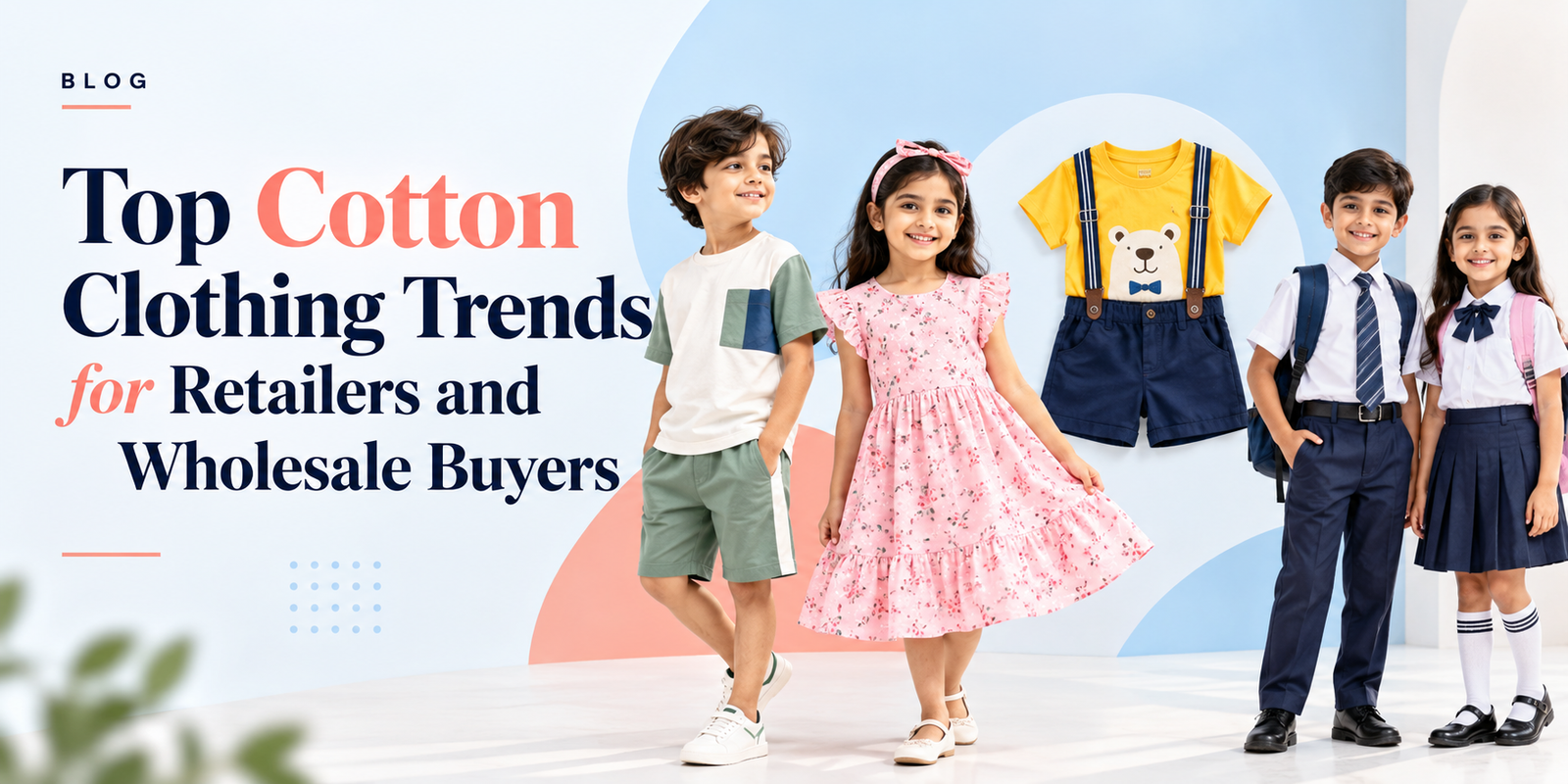
Top Cotton Clothing Trends for Retailers and Wholesale Buyers
Fashion trends continue to evolve, but cotton clothing remains an important part of the everyday apparel market. Buyers today look for garments that combine comfort, attractive designs, practical use, and reasonable pricing. From casual cotton wear and stylish frocks to kids' clothing and everyday essentials, cotton garments offer retailers and wholesale buyers a wide range of products to meet different customer needs.
For retailers, understanding changing customer preferences helps them choose products that attract attention and encourage repeat purchases. Wholesale buyers, meanwhile, need to consider fabric quality, product variety, sizing, and market demand before placing bulk orders. Keeping up with cotton clothing trends can help businesses build a relevant collection, serve different customer groups, and make better purchasing decisions.
1. Everyday Cotton Wear Remains a Popular Choice
Everyday clothing focuses on comfort, versatility, and ease of use. Customers often prefer garments that can be worn for long hours without compromising on comfort. Cotton is widely used in daily-wear apparel because it is breathable, soft to the touch, and suitable for many clothing styles.
Retailers can consider stocking cotton nighties, casual dresses, lightweight tops, and other daily essentials. These products serve customers looking for practical clothing for home, leisure, and routine activities.
Wholesale buyers can benefit from selecting a balanced range of everyday cotton garments in different sizes, colours, and designs. Offering variety helps retailers serve customers with different preferences rather than relying on a limited selection.
2. Stylish Cotton Frocks and Dresses
Cotton frocks and dresses continue to be useful additions to collections designed for casual and everyday wear. Customers often look for attractive patterns, comfortable fits, and designs that are easy to wear on different occasions.
Floral prints, minimal patterns, solid colours, and simple decorative details can appeal to different customer groups. Loose-fitting silhouettes and lightweight fabrics may also attract buyers who prioritise comfort.
For retailers, displaying cotton dresses in coordinated colour collections can make product selection easier. Wholesale buyers should pay attention to stitching, fabric feel, colour consistency, and size availability when comparing suppliers.
Also Read: Why Are Cotton Garments Always in Demand? Here's What Buyers Should Know
3. Kids' Cotton Clothing with Comfort in Mind
Parents often consider comfort, softness, ease of movement, and washing requirements when purchasing children's clothing. Cotton garments are a common choice for kids' everyday wear, including frocks, casual outfits, and other practical clothing options.
Bright colours, playful prints, appealing designs, and easy-to-wear styles can make kids' clothing attractive to both parents and children. However, appearance should not be the only consideration. Garment construction, suitable sizing, seam finishing, and fabric quality also deserve attention.
Retailers can create dedicated kids' clothing sections with different sizes and designs to make shopping convenient. Wholesale buyers should check size consistency and inspect samples before purchasing large quantities.
4. Cotton Nighties and Relaxed Homewear
Homewear is another category worth considering when building a cotton clothing collection. Customers frequently look for garments that feel comfortable during household activities, relaxation, and everyday routines.
Cotton nighties are available in different lengths, prints, necklines, sleeve styles, and fits. Floral designs may appeal to customers who prefer traditional patterns, while simpler prints and solid colours can suit those looking for a minimal appearance.
Retailers should consider stocking multiple designs and sizes instead of focusing on a single style. A varied collection can help serve different age groups and personal preferences.
5. Simple Prints, Colours, and Versatile Designs
Design preferences vary between customers, but versatile clothing can be useful for retailers who want to serve a broad audience. Simple patterns, classic colours, floral prints, and subtle detailing can work well across several types of cotton garments.
Neutral shades may appeal to customers who prefer understated clothing, while brighter colours and bold prints can attract shoppers looking for more expressive styles. Seasonal collections can also introduce fresh colours and patterns without requiring retailers to replace their entire inventory.
Retailers can combine timeless designs with a smaller selection of trend-led products. This approach offers variety while helping businesses avoid depending entirely on short-lived fashion trends.
Wholesale buyers should assess whether a design suits their target market, price range, and selling environment. The most suitable products are not necessarily the most elaborate ones; they are the products that match customer expectations and offer reliable quality.
6. School Uniforms and Practical Cotton Garments
Beyond casual fashion, cotton and cotton-blend fabrics are used in various practical clothing categories. School uniforms, institutional garments, and selected workwear products can form part of a broader apparel collection, depending on fabric specifications and end-use requirements.
For these categories, buyers should look beyond appearance. Durability, colour retention, ease of maintenance, fit, and suitability for regular washing are important considerations. The exact fabric should be selected according to the garment's intended use rather than assuming that pure cotton is always the best option.
7. Cotton Blends for Different Clothing Requirements
Although pure cotton remains a popular fabric choice, cotton-blend garments also have a place in the apparel market. Blended fabrics combine cotton with other fibres to achieve different characteristics, depending on the composition and manufacturing process.
For example, certain cotton-polyester blends may offer improved wrinkle resistance, quicker drying, or easier maintenance compared with some pure cotton fabrics. However, performance varies by fabric construction and blend ratio, so buyers should evaluate the actual product rather than relying only on its label.
Retailers can offer both pure cotton and blended garments to meet different preferences and budgets. Clear product information helps customers understand what they are buying and choose clothing that suits their daily routine.
Wholesale buyers should verify fabric composition, care instructions, finishing, and product specifications. These checks are particularly important when purchasing garments in bulk, where consistency across units matters.
8. What Retailers and Wholesale Buyers Should Check Before Ordering
Following fashion trends is useful, but selecting the right supplier and products is equally important. A well-planned buying process can help businesses reduce avoidable issues and maintain customer satisfaction.
Here are several factors to consider before placing an order:
- Fabric Quality: Check softness, breathability, thickness, and suitability for the intended use.
- Stitching and Finishing: Inspect seams, hems, buttons, fasteners, and overall construction.
- Size Availability: Choose a range of sizes that reflects the needs of your target customers.
- Design Variety: Balance timeless styles with selected seasonal colours and prints.
- Price and Value: Compare prices alongside fabric quality, finishing, and expected product lifespan.
- Bulk Order Consistency: Confirm that samples accurately represent the products supplied in larger quantities.
- Delivery and Stock Availability: Discuss order quantities, dispatch timelines, and replenishment options.
- Care Instructions: Ensure the garment's washing and maintenance requirements are clearly communicated.
Also read: Cotton vs. Comfort: What Makes Everyday Garments Worth Buying?
9. Choosing the Right Cotton Clothing Collection for Your Market
Every retail business serves a different audience. A store focused on family clothing may prioritise kids' wear, cotton frocks, and everyday essentials, while another retailer may concentrate on homewear and nightwear. Wholesale distributors may need broader collections that accommodate multiple retailers or customer segments.
Start by reviewing your existing sales, customer feedback, and frequently requested sizes or designs. These insights can help identify which products deserve more shelf space and which items should be ordered in smaller quantities for testing.
It is also helpful to consider seasonal demand, local preferences, and the price range your customers expect. A product that performs well in one market may not achieve the same results elsewhere. Testing new styles in manageable quantities can help businesses evaluate demand before expanding an order.
For bulk garment purchases, communication with the supplier is essential. Discuss product specifications, available designs, size ranges, packaging, delivery timelines, and policies for handling damaged or incorrect items. Clear expectations can make purchasing more organised and help build long-term business relationships.
10. The Future of Cotton Clothing Trends
Cotton clothing trends are likely to continue reflecting a combination of comfort, functionality, and personal style. Customers may explore new prints, contemporary silhouettes, and versatile everyday garments while still valuing practical features such as easy care and comfortable fits.
Retailers can respond by keeping their collections fresh without abandoning reliable everyday products. Wholesale buyers can focus on suppliers that offer suitable variety, consistent specifications, and transparent communication.
There is also growing value in helping customers understand fabric composition and garment care. Accurate product descriptions and realistic claims allow shoppers to make informed choices and develop confidence in a business.
Conclusion
Cotton clothing offers retailers and wholesale buyers opportunities across everyday wear, cotton frocks, kids' clothing, nighties, and selected uniform categories. The strongest product selection combines attractive designs with appropriate fabric quality, reliable stitching, suitable sizing, and practical value.
By monitoring customer preferences, comparing suppliers, and checking samples before placing bulk orders, businesses can make more informed purchasing decisions. Varas Fashion is one option for buyers exploring garment collections for their business needs. Reviewing available products and confirming specifications can help buyers determine whether a collection aligns with their target market.
Ultimately, the goal is not simply to follow the latest cotton clothing trends. It is to choose garments that customers enjoy wearing and retailers can confidently offer-balancing comfort, quality, design, and value in every purchase.